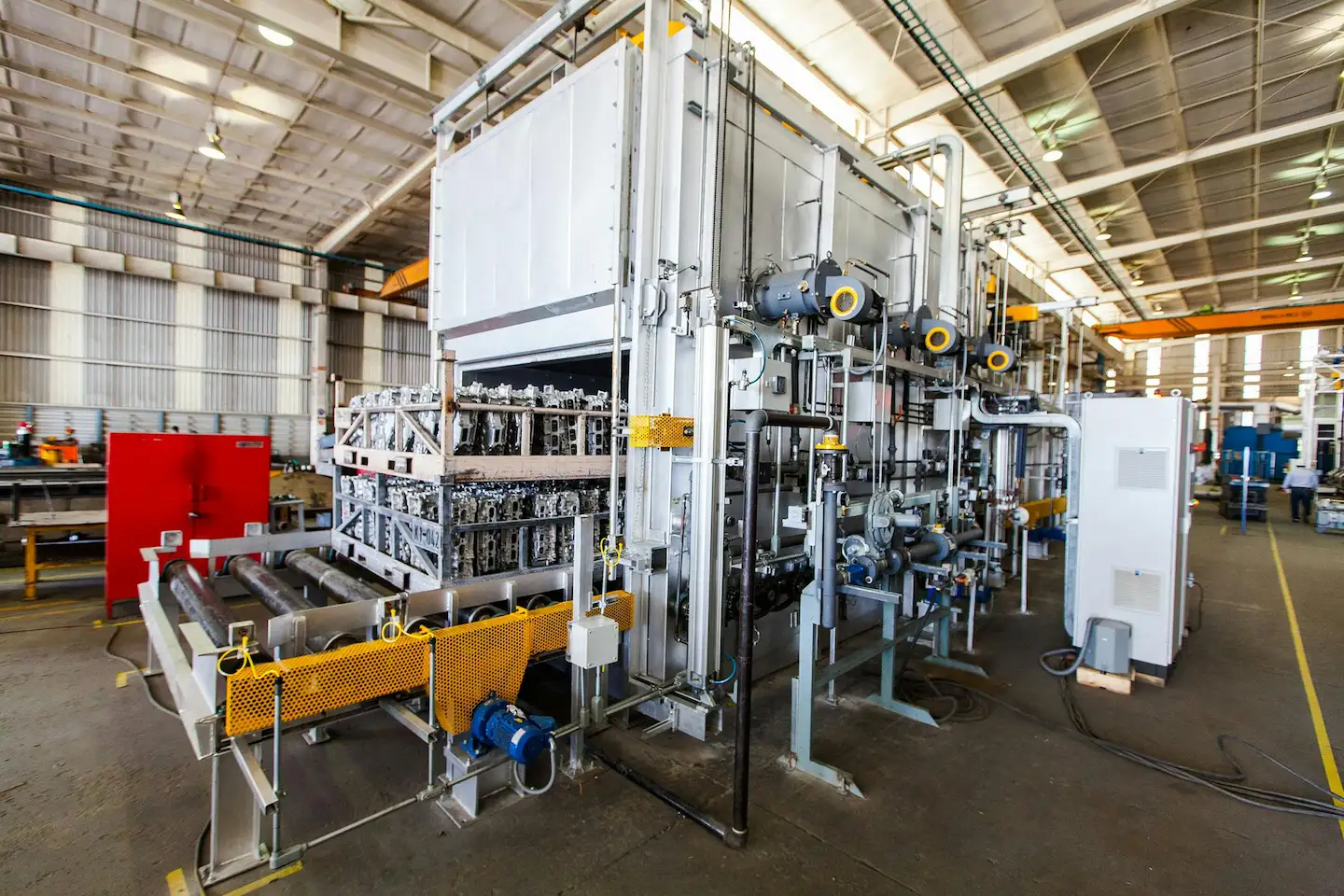
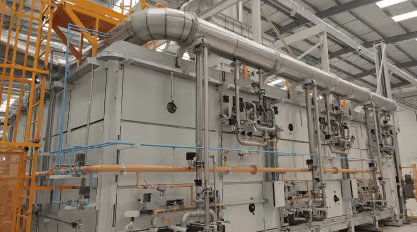
In the metalworking process, annealing is strategically applied at specific stages to enhance material performance and improve manufacturing efficiency. Knowing when to anneal is key to producing high-quality, reliable components.
Typical Points in the Metalworking Process to Use Annealing:
1. After cold working or forming
Processes like rolling, drawing, stamping, or bending can harden the metal and introduce internal stress. Annealing after these steps:
- Restores ductility
- Reduces brittleness
- Prepares the material for further shaping or machining
2. Between multiple forming stages
For complex components requiring several forming steps, intermediate annealing softens the metal between operations, reducing the risk of cracking or failure.
3. Before machining or cutting
Softened, stress-free metal is easier on cutting tools and produces cleaner, more precise results—leading to better surface finishes and extended tool life.
4. After welding
Welding introduces intense localized heat that can cause stress and hardness in the heat-affected zone. Post-weld annealing:
- Relieves thermal stress
- Prevents distortion
- Improves structural integrity
5. Before final heat treatments
Annealing is often performed before hardening or tempering, especially when a uniform microstructure is required for the next phase of treatment.
Using an annealing furnace or oven at the right stage of production ensures:
- Better formability
- Greater structural consistency
- Reduced risk of defects
- Smoother downstream operations
With decades of international experience, NUTEC Bickley manufactures annealing furnaces for various industries worldwide, ensuring that each system is aligned with real production needs. Contact us!