


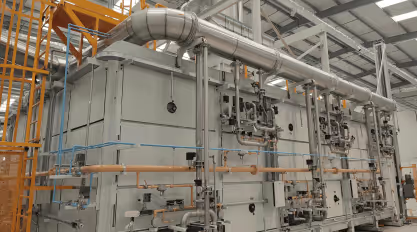
In a major, high-value project – the second at this particular plant in Mexico – NUTEC Bickley will supply a 125m-long tunnel kiln to one of the world’s leading advanced ceramics manufacturers.
- HOME
- What We Do
- Technical Services
- Gas Train Inspection
Gas Train Inspection l NUTEC Bickley
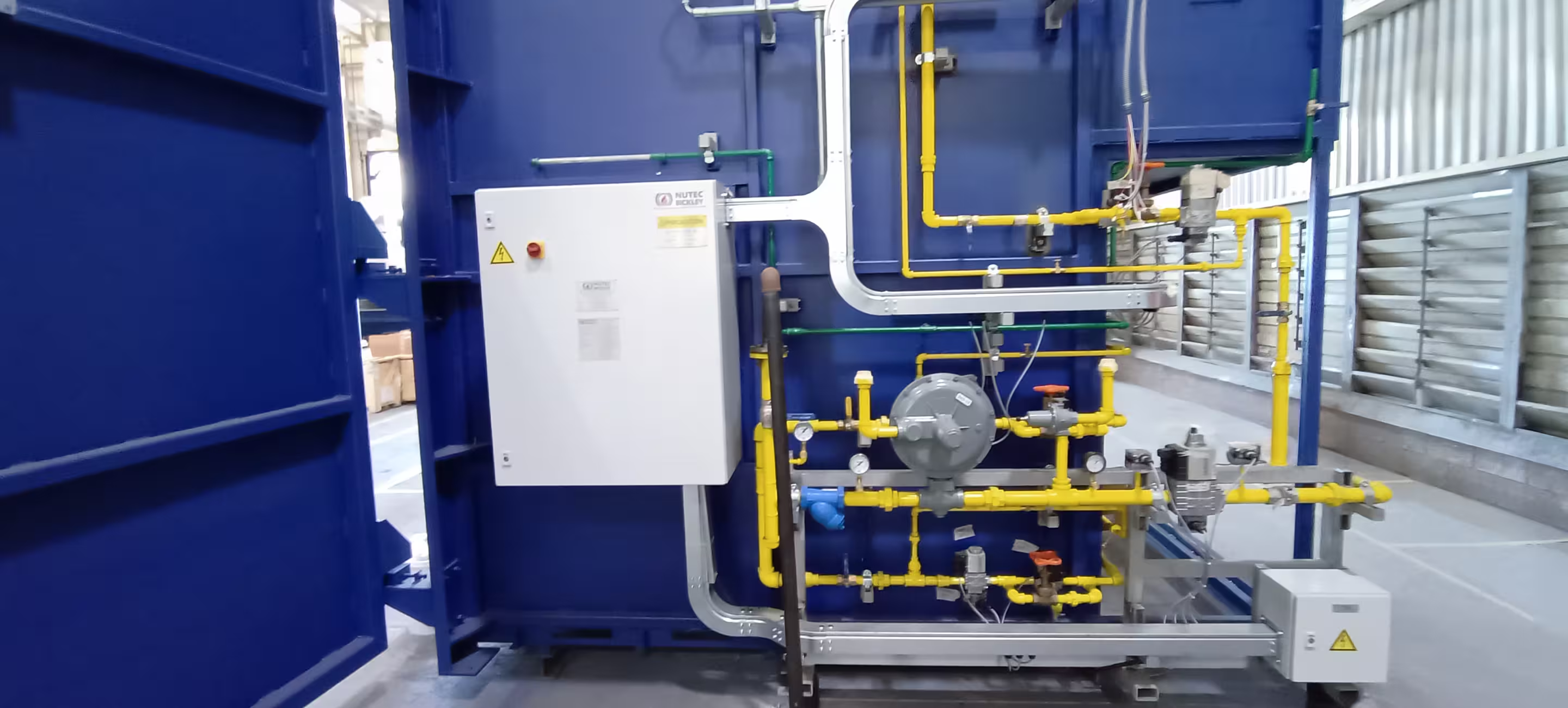
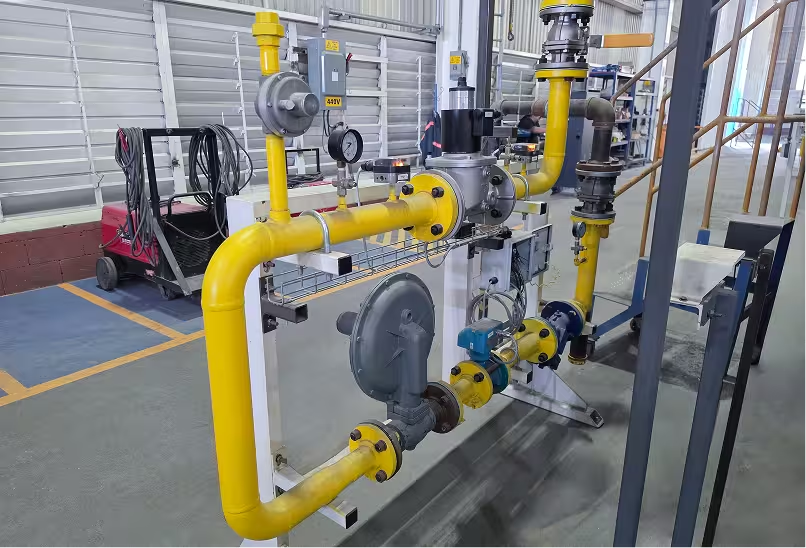
Gas train optimization consists of ensuring that the devices responsible for regulating and delivering gas to the burner operate under ideal conditions.
This process includes optimizing the following components:
Optimizing the gas train ensures that the burner receives gas in stable and controlled conditions, which is critical for proper calibration and for maintaining safety, efficiency, and low emissions.
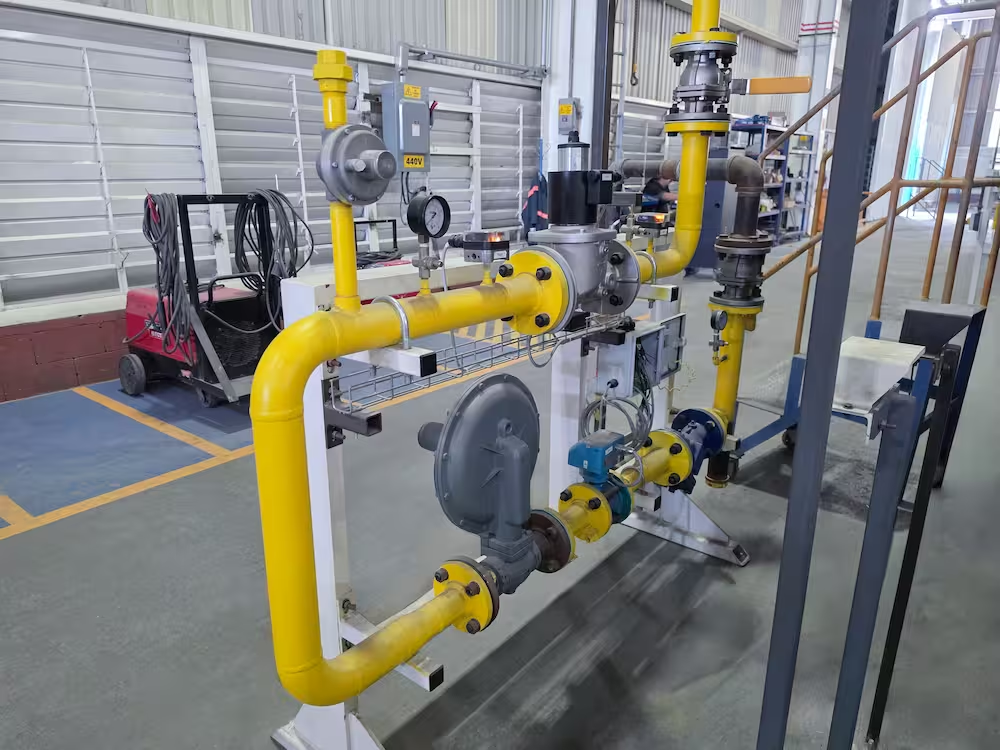
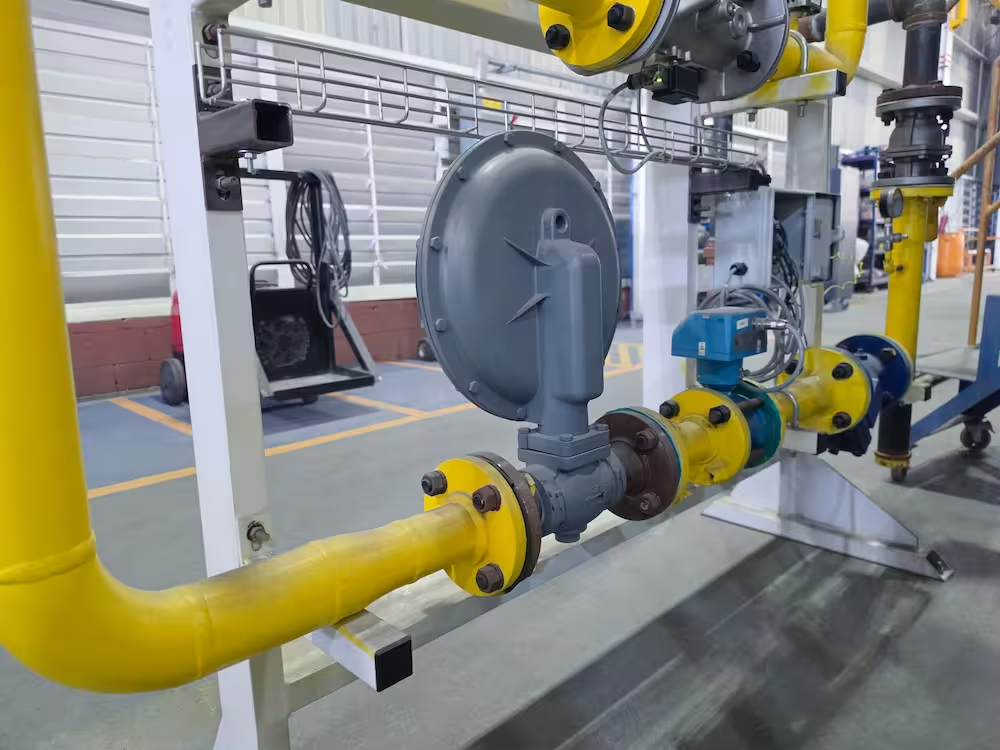
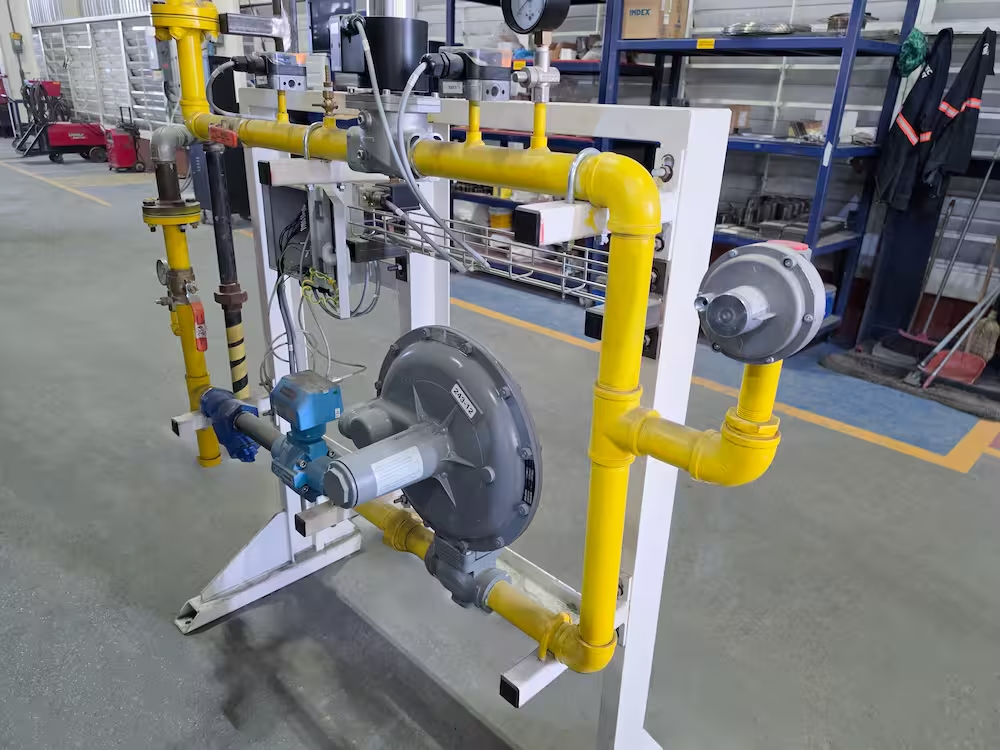

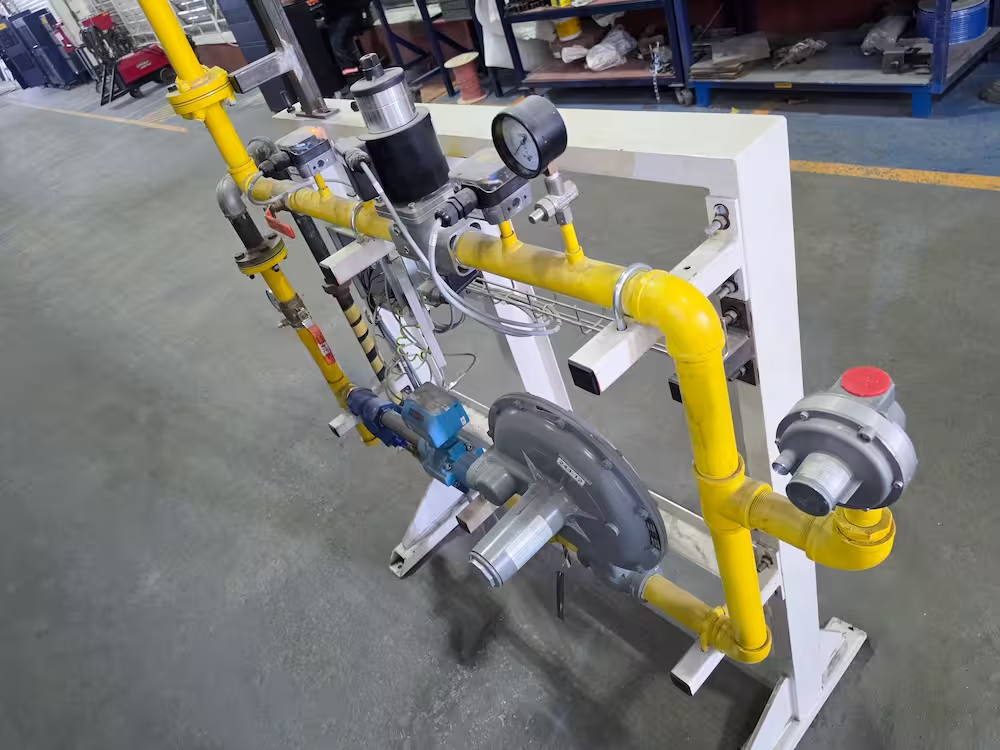
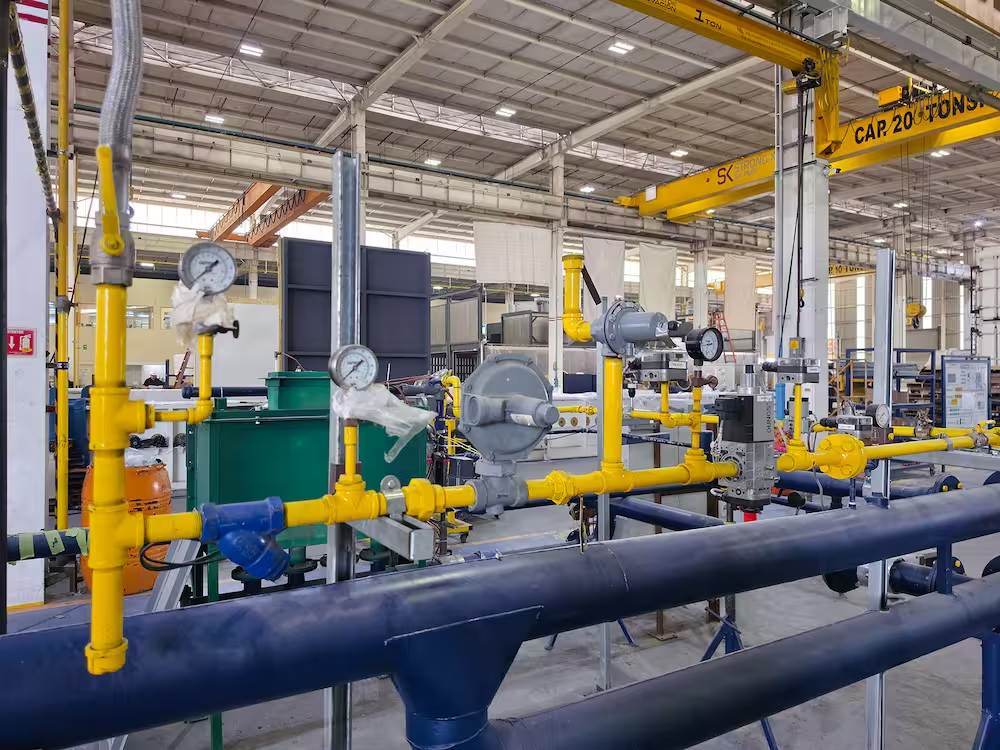
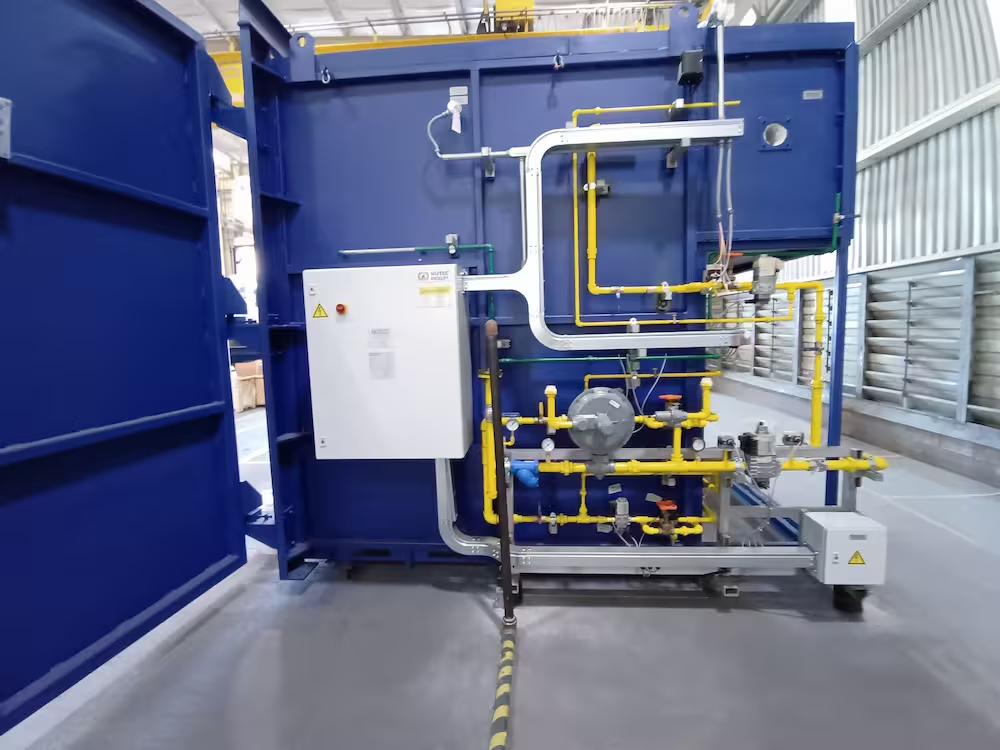
Performing preventive inspections is critical to ensuring operational safety and energy efficiency.
Reliability
Reduces unplanned downtime, maintaining a safe and reliable operation, extending component life, and protecting product quality.
Safety
Helps prevent gas leaks and failures in safety systems that could lead to fires or explosions.
Efficiency
Maintains proper pressure and flow conditions for optimal combustion, avoiding fuel waste.
Sustainability
Efficient combustion reduces pollutant emissions such as CO and NOx.
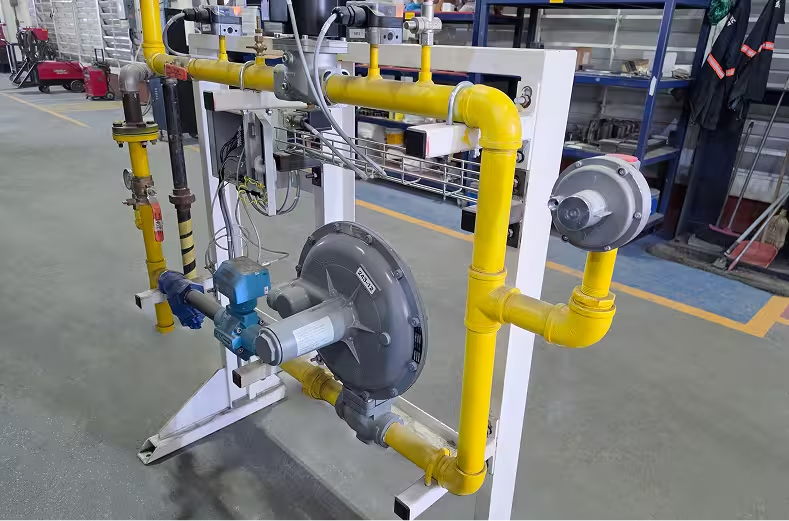
NUTEC Bickley is a manufacturer and designer of combustion trains according to customer specifications. Our fuel trains work with either gas, oxygen or diesel. Each fuel train can handle gas, oxygen diesel or heavy fuel oil and is selected for use in specific conditions and in compliance with the required safety codes
Ver más
We serve multiple industries through the design, building and installation of combustion systems, thermal insulation and highly specialized industrial furnaces, kilns and ovens. We are focused on understanding our customers’ needs and supplying the best equipment at the most competitive price.

In a major, high-value project – the second at this particular plant in Mexico – NUTEC Bickley will supply a 125m-long tunnel kiln to one of the world’s leading advanced ceramics manufacturers.
Explore NUTEC Bickley's latest innovative project, a highly flexible, energy-efficient shuttle kiln for the European sanitaryware sector.

NUTEC Bickley is in the process of transporting all modules of a 50m-long electric tunnel kiln to the advanced manufacturing facility operated by one of North America’s leading producers of ultra-high-purity alumina and associated products.
We offer specialized technical support and advice to ensure that you choose the solution that best suits your needs. Fill out this form or contact us to talk to us now.