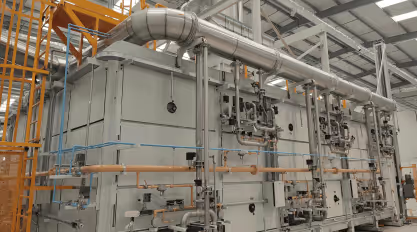

En un proyecto importante y de alto valor – el segundo en esta planta en México – NUTEC Bickley suministrará un horno túnel de 125 m de largo a uno de los principales fabricantes de cerámica avanzada del mundo.
Key Benefits of Motors and Actuators for Industrial Furnaces
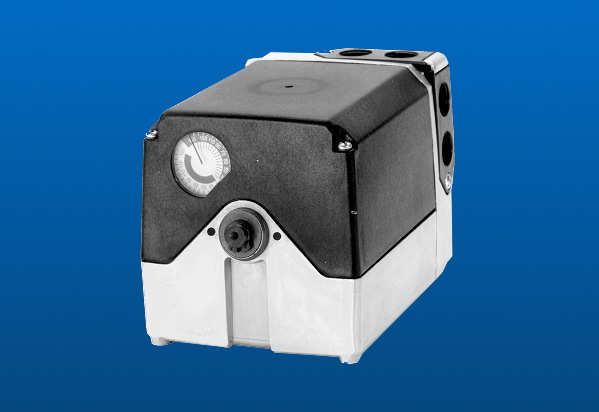
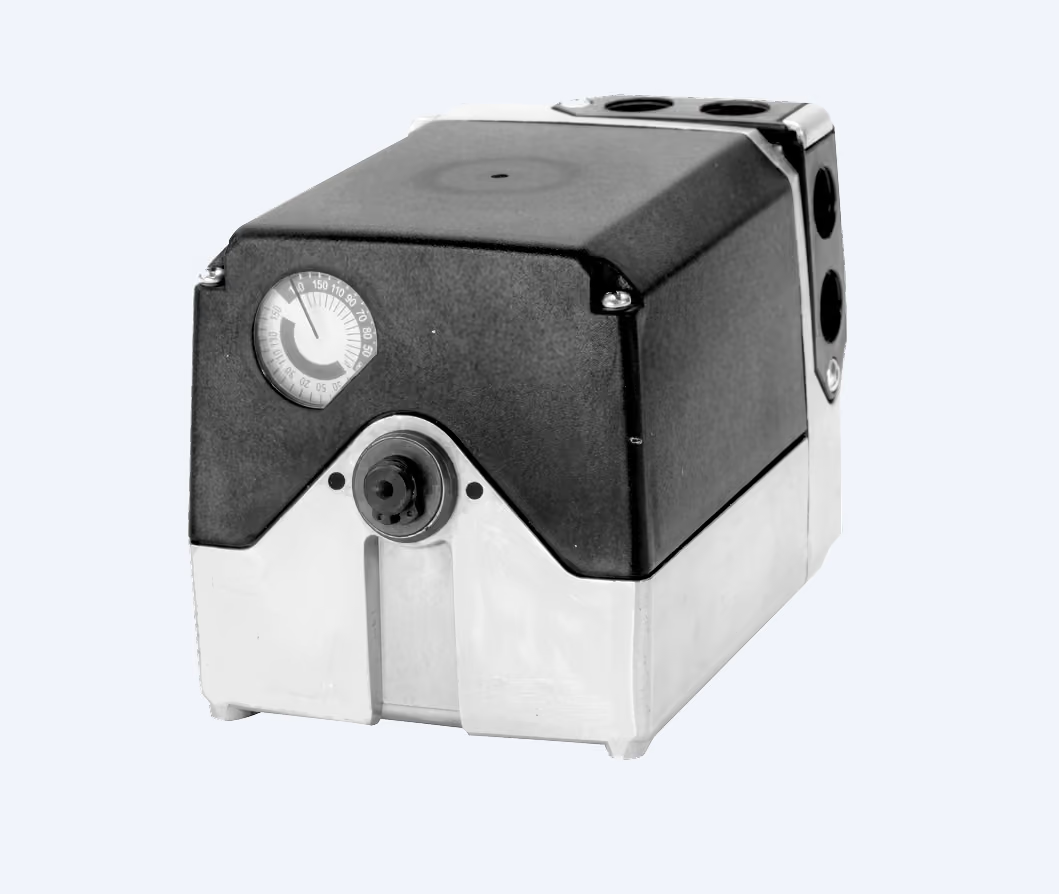
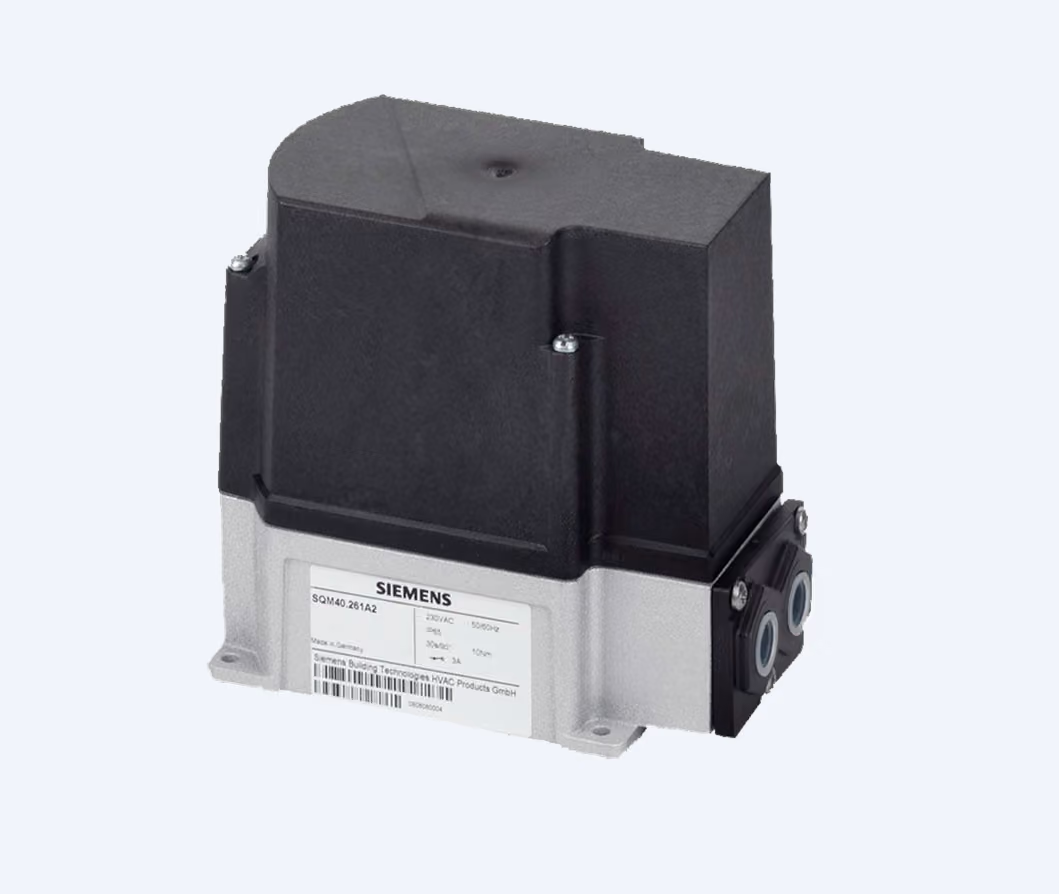
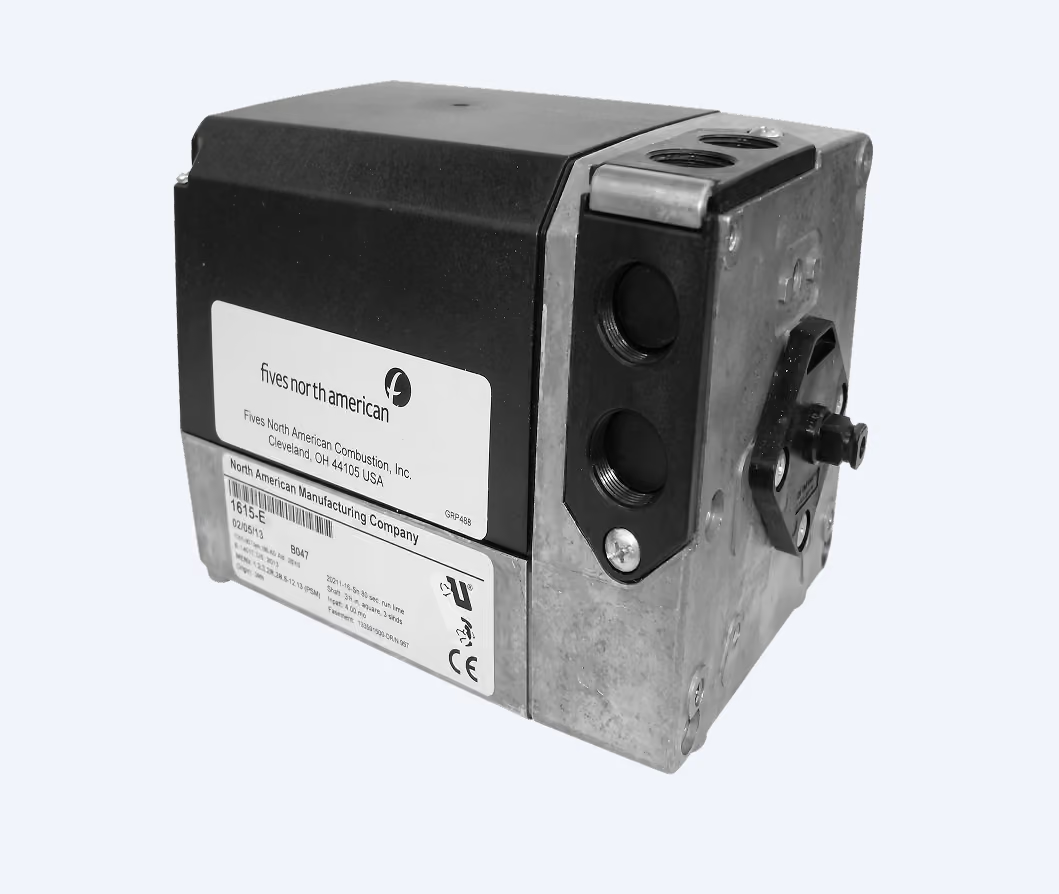
The role of actuator motors within a combustion and control system is very important, as they allow the system to automatically respond to commands from a controller, PLC, or automation system, eliminating manual intervention and improving process precision.
The key aspects that influence an industrial furnace include:

Energy efficiency: They allow precise regulation of the air-fuel ratio, ensuring more efficient combustion. This helps prevent energy losses caused by excess air or incomplete combustion.
Precise temperature control: By continuously adjusting gas and air flows, they help maintain stable temperatures inside the furnace, resulting in higher final product quality, reduced rejects, and greater uniformity in thermal processes.
Full process automation: Actuator motors can be integrated with PLC systems, SCADA systems, and combustion controls to perform start-up, operation, and shutdown sequences, minimizing manual intervention and improving operational reliability.
Reduction of pollutant emissions: Due to more precise combustion control, they help reduce emissions of carbon monoxide, unburned hydrocarbons, and nitrogen oxides.
Based on the above, actuator motors can be considered key elements for achieving safe, efficient, and stable combustion. This translates into fuel savings, precise temperature control, reduced emissions, safer operation, and longer service life for furnaces and combustion equipment.