Combustion optimization through Burner Calibration
Combustion is an exothermic chemical reaction, which means that the process generates energy in the form of heat.
In industrial applications, this fuel is typically natural gas, which is primarily composed of methane (CH₄). When methane reacts with oxygen (air) and sufficient ignition energy is provided, it produces carbon dioxide (CO₂) and water (H₂O). However, what is truly valuable for industrial processes is the heat generated in the form of radiation and the hot gases produced by combustion.
Optimizing the combustion process means supplying the exact and correct amount of air and natural gas (or any other fuel). The importance of this lies in the fact that having an excess of either component leads to inefficiencies, which ultimately increase operational costs and negatively impact the process.
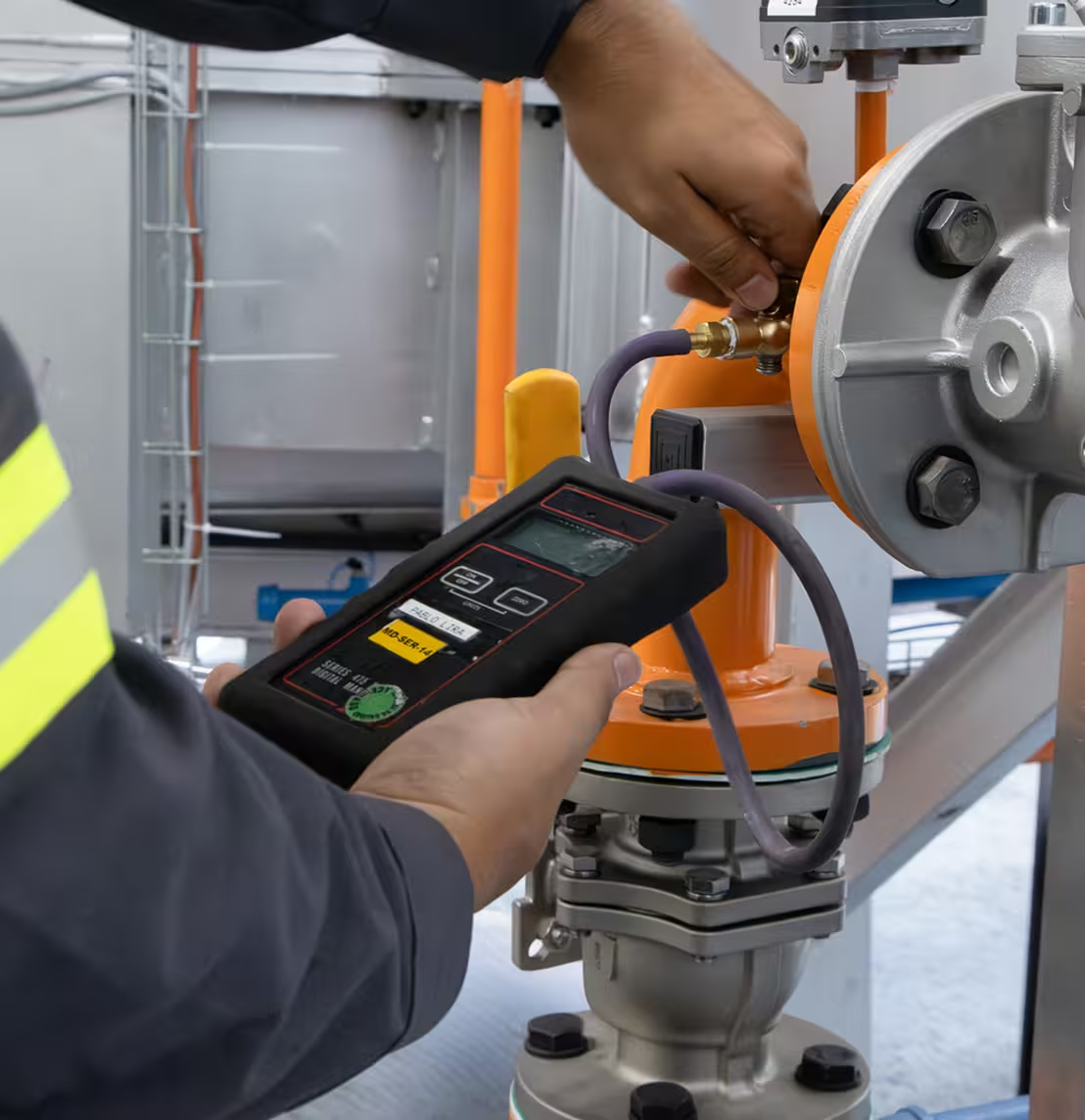
Calibrating a burner means adjusting the necessary elements within the combustion system to ensure that the air-to-fuel ratio remains as close as possible to the correct proportion.